Showing posts with label how. Show all posts
Showing posts with label how. Show all posts
Friday, October 4, 2013
How To Use iPhone Wireless Remote For Your iMac
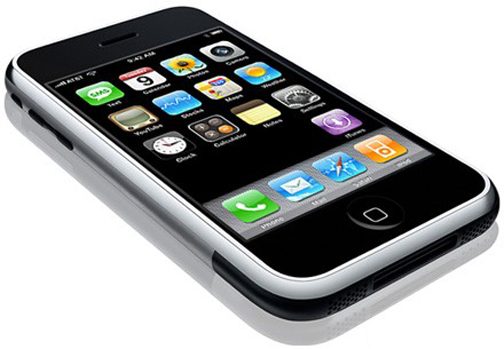
If you want to use the iPhone as a remote access iMac? Well, you can use a wireless remote iPhone app available in App Store. This application is the name of the remote control. After you install this application on your iPhone you can control the iMac wirelessly to your iPhone. Now follow the step by step instructions posted below with which you can turn your iPhone into a wireless remote for your iMac.
INSTRUCTIONS
STEP 1. First you have to download Remote app and then install it on your iPhone. In order to download Remote app, within your iPhone, Tap on App Store, then Tap Search and type Remote. Now you have to Tap Download Now.
STEP 2. From the main screen of your iPhone, simply Tap “Remote” icon.
STEP 3. Now you need to activate the remote functionality of the software suitable for your iMac.
In this way, you can use your iPhone as a wireless remote for your iMac. Note that the remote application is available free from the App Store. If you have difficulty in following the above steps, please ask in the comments section below.

Tuesday, August 6, 2013
How to Determine the Best Small Laptop Ultraportable for You
There are a lot of small laptops that are now available to those who want them in the market these days and the sudden popularity and increase in the numbers of these mini laptops may confuse a prospective buyer as to which one to choose. What exactly is the best small laptop for you and how do you determine which one out of the dozens that are available to you should you buy? There are a number of factors you may need to consider before you do go out and purchase one of these ultra-portable and ultra-light computing devices. Some of the factors that you may need to consider include processor speed, wifi capabilities, number of USB ports and other similar concerns you might have.
When it comes to processor speed, you may not have that much of a problem since most of these small laptops have processors that are capable of handling all your computing needs despite the rather small frame of this gadget. The processors you can find in these small laptops include Intel Core 2 Solo, Core 2 duo, Dual Core, Celeron 723 and Intel Atom, among others. RAMs for these small laptops come in choices of 1GB to 2GB standards with a few of them upgradeable to 4GB and 8GB, depending on the customer’s needs. While in the past these small laptops used to have a hard drive memory that allowed a person to store only up to 4GB of programs and data in their mini computers, technology has increased this capacity to somewhere between 80GB to 250GB.
Other things you may also need to consider when it comes to these small laptops and finding the best small laptop for your needs is the battery life that these gadgets have. Some brands boast of batteries that can run for 12 hours straight without need for charging while some are only capable of running on batteries for a maximum of 4 hours. The keyboard and the placement of the keys is another consideration some people use when choosing a small laptop. Some of the keyboards integrate some of the other key functions in with the other original keys, making it sometimes confusing to use while other small laptops have full function keyboards despite the small size.
Most of these small laptops measure around 10 to 12 inches with weights that are between 3 pounds to 5 pounds. However, there are smaller versions that seem to be coming out in the market these days as well with mini laptops that retain the full functionality of their bigger counterparts at a miniscule size of less than 9 inches and a weight of 2 pounds. There are also a lot of small laptops that now have built in cameras like their bigger brothers and better graphics and sound cards as compared to the older versions of these mini laptops. Although most of these small laptops do not have optical drives that can read and burn DVDs and CDs, a few of them do. All of these things you can consider when you are looking for the best small laptop for your needs but, the decision after all these considerations are made may come down to one important detail we almost forgot to mention, your budget and the price of these gadgets.
Read more »
When it comes to processor speed, you may not have that much of a problem since most of these small laptops have processors that are capable of handling all your computing needs despite the rather small frame of this gadget. The processors you can find in these small laptops include Intel Core 2 Solo, Core 2 duo, Dual Core, Celeron 723 and Intel Atom, among others. RAMs for these small laptops come in choices of 1GB to 2GB standards with a few of them upgradeable to 4GB and 8GB, depending on the customer’s needs. While in the past these small laptops used to have a hard drive memory that allowed a person to store only up to 4GB of programs and data in their mini computers, technology has increased this capacity to somewhere between 80GB to 250GB.
Other things you may also need to consider when it comes to these small laptops and finding the best small laptop for your needs is the battery life that these gadgets have. Some brands boast of batteries that can run for 12 hours straight without need for charging while some are only capable of running on batteries for a maximum of 4 hours. The keyboard and the placement of the keys is another consideration some people use when choosing a small laptop. Some of the keyboards integrate some of the other key functions in with the other original keys, making it sometimes confusing to use while other small laptops have full function keyboards despite the small size.
Most of these small laptops measure around 10 to 12 inches with weights that are between 3 pounds to 5 pounds. However, there are smaller versions that seem to be coming out in the market these days as well with mini laptops that retain the full functionality of their bigger counterparts at a miniscule size of less than 9 inches and a weight of 2 pounds. There are also a lot of small laptops that now have built in cameras like their bigger brothers and better graphics and sound cards as compared to the older versions of these mini laptops. Although most of these small laptops do not have optical drives that can read and burn DVDs and CDs, a few of them do. All of these things you can consider when you are looking for the best small laptop for your needs but, the decision after all these considerations are made may come down to one important detail we almost forgot to mention, your budget and the price of these gadgets.
Sunday, July 7, 2013
Tips How To Check Your Computer Specifications

Many ways to look at your computer or laptop specification which we use some software, properties of My Computer and others. However, what I want to show this is one of his ways. Important for us to know the strength of the ability of a PC that we use. With step and these measures, we can see the actual ability of our computers. We can ability and speed in terms of graphics, memory, processor and type of Operating System (OS).
Among the steps are:
1) Click on Start -> Click on the Search programs and files.
2) Then type the word run and click RUN program
3) Type dxdiag Click on the OK button.
4) Next All of you will see the overall look in the system specifications of your computer
5) Next you click on Display to see the speed and information about your computer graphics.
How? Have you know the exact specifications of your computer?
Subscribe to:
Posts (Atom)